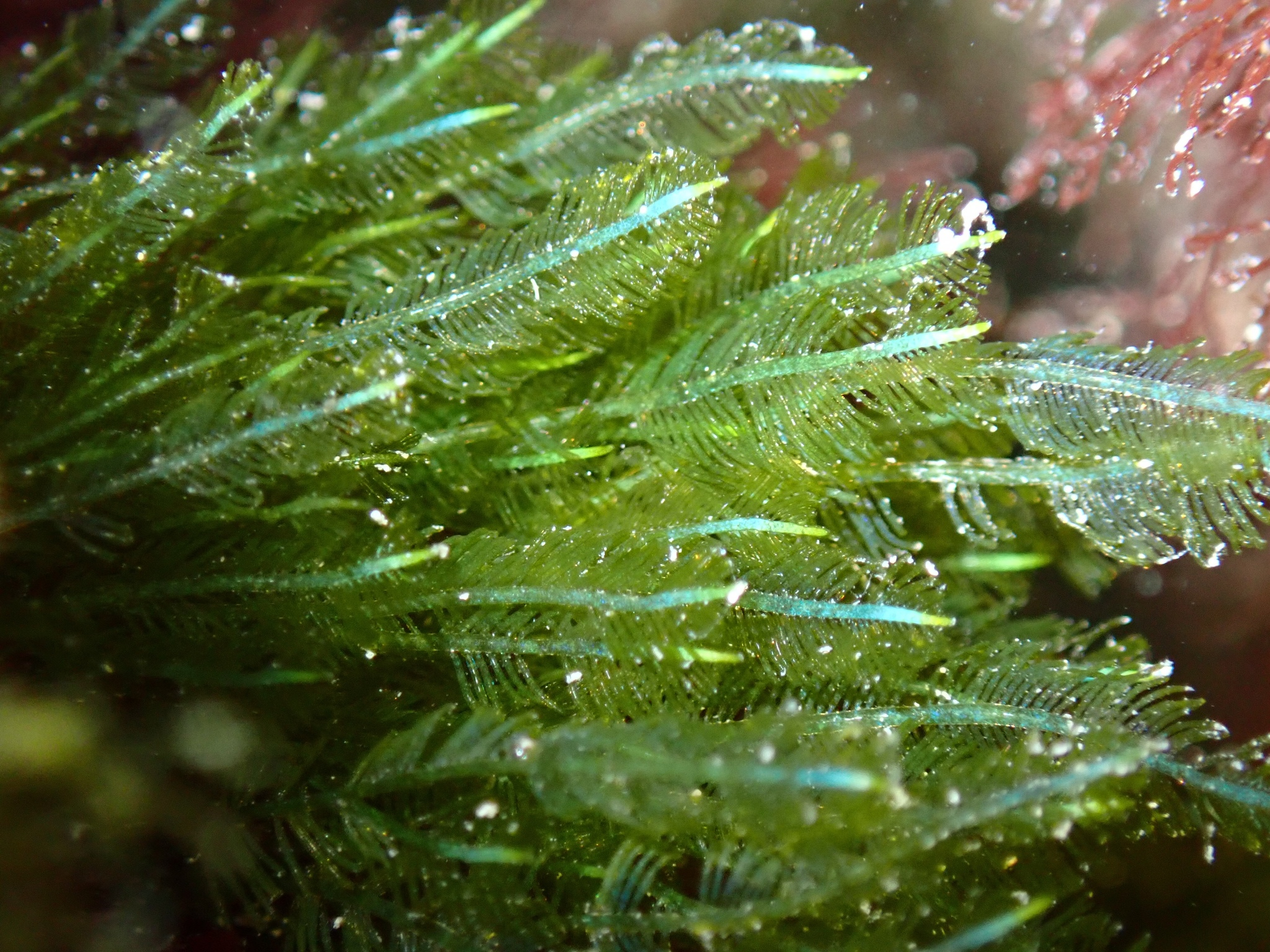
Never imagine I found the bule green mentioned except in the term of algae. But as I found this photo and caption, I realized that the “blue green” is a matter of color and not just one of the photosynthetic pigments. It sounds silly, but it struck me how certain words, experiences, and feelings could blind you from a significant matter, common sense, just because you used them for a very long time. Studying blue-green algae for more than twenty years has built my mind so vividly that it has surprised me to know a designer uses the term for a dress! A Quinceañera dress is an elaborate-long gown made for a girl to celebrate her 15th birthday. It is a tradition in many Latin American cultures.

This moment made me remember another moment when I was eager to join an online evening event held by the Linnaean Society of London. My prompt reaction was triggered by the title of “Cyanotype Workshop from the Linnaean Collections”. I wondered what kind of botanical specimens could be related to Cyanobacteria, and then I knew they did not have a relation at all! It turned out that the event was about how to make a cyanotype printing/painting by two local artists: Caterina and Sharon. The course introduced us to using foraged botanical plants, pressed flowers, wet cyanotype, and chemicals that can change their color. Dying the piece using pigment powders or tea/coffee/green tea to make beautiful sepia images was one of the topics discussed in the event. It was interesting but beyond my expectations.

Back to the dress. It was lovely—in terms of fabrics, design, and, of course, color! As for me, Cyanobacteria, the blue-green algae, are fantastic creatures. They have been living on earth since the beginning of life. They promoted the atmospheric oxygen, fertilized the soil, and formed oceanic sediment. What a BIG role tiny microorganisms accomplish. Hence, it would be a shame if I could not participate in conserving our beloved nature.




 atthecorner